
On-Page SEO
What Is On-Page SEO?
On-Page SEO refers to all optimisation activities that take place directly on a website. The goal is to help search engines understand the content while improving the experience for visitors.
This includes elements such as page titles, headings, content, URLs, images, and internal links. When these elements are optimised correctly, they can help improve a website’s visibility in search results and make the content easier for users to navigate and understand.
How I Optimised My SEO 101 Blog Post
To apply On-Page SEO principles in practice, I created a blog post called SEO 101. The blog post was created based on the keyword research and target audience analysis completed in the previous step. The analysis showed that users are interested in learning the basics of SEO, which is why the blog answers the question “What is SEO and why is it important?”
I optimised the blog post using a clear heading structure, a search-friendly URL, a custom title tag, and a meta description. Relevant keywords were included naturally throughout the content, while short paragraphs and simple language helped improve readability and create a better user experience.
LIX Calculator
A LIX score is used to measure how easy a text is to read. The score is based on factors such as sentence length and the number of long words used in the text.
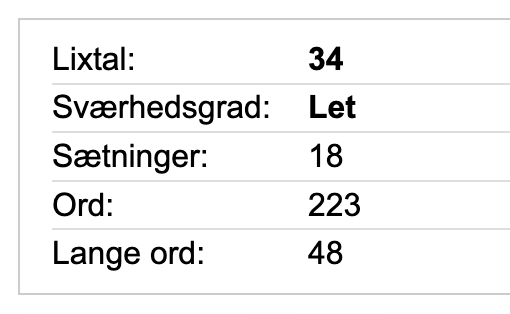
To evaluate the readability of my blog post, I tested it using a LIX calculator. The blog achieved a LIX score of 34, placing it in the “easy” category. This indicates that the content is clear and accessible for a broad audience. To improve readability, I focused on using short paragraphs, simple language, and a clear structure throughout the blog post.
Additional On-Page SEO Optimisations
In addition to creating the SEO 101 blog post, several other on-page SEO techniques were implemented across the website. Internal links were added to connect related pages and improve navigation for both users and search engines. This helps visitors discover relevant content while also strengthening the overall structure of the site.
Images were optimised using descriptive file names and ALT text to improve accessibility and help search engines understand the image content. Metadata, including SEO titles and meta descriptions, was also added using Yoast SEO to improve how pages appear in search results.
Together, these elements contribute to a better user experience and support the website’s visibility in search engines.